

5 Mistakes Companies Make When Entering a New Market
When entering a new market, companies often underestimate the role of language and communication, focusing all their efforts on product development, pricing, and distribution. While these elements are critical, language and cultural adaptation can make or break your success.
From our work with global brands, we’ve identified five major mistakes that companies commonly make in language adaptation and localization – and how to avoid them.

1. Treating Translation as Localization
Content translation and localization are closely related but not identical concepts. Translation focuses on linguistic accuracy while localization is a more comprehensive process of adapting content to the cultural, social, and technical characteristics of a region, so that it feels native. Simply put, translation conveys words, while localization conveys context.

Many companies assume that translating content is enough to succeed in a new market. However, in reality, language accuracy without proper adaptation often leads to poor user experience and reduced engagement.
For example, a software company might translate its interface in foreign language, but if date formats, number separators, or button sizes aren’t adapted for the target audience, users may find the product confusing or unintuitive. Similarly, idioms or slogans that sound compelling in one language can be meaningless or even offensive in another.
Localized content increases engagement, loyalty, and revenue growth in international markets. This is why companies should view localization as a strategic investment rather than a one-time translation task.
2. Relying Solely on Machine Translation
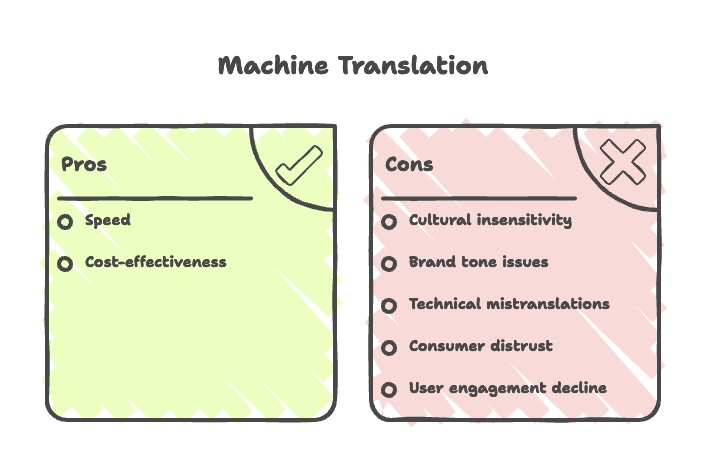
Machine translation (MT) is tempting because it’s fast and inexpensive, but it’s not a complete solution for market entry. Automated translation may misinterpret idiomatic expressions, fail to convey brand tone, or mistranslate technical terms, especially in regulated industries like finance, healthcare, or law.
Consumers are unlikely to trust content that isn’t culturally adapted, even if it’s technically correct. This shows the importance of combining MT with human expertise – professional linguists who refine translations, adjust tone, and ensure cultural relevance.
For instance, a global e-learning platform using MT for video subtitles received feedback that content sounded unnatural and confusing to non-native speakers. Once human editors adapted the language and style, user engagement increased by over 30%.
3. Ignoring Cultural Context
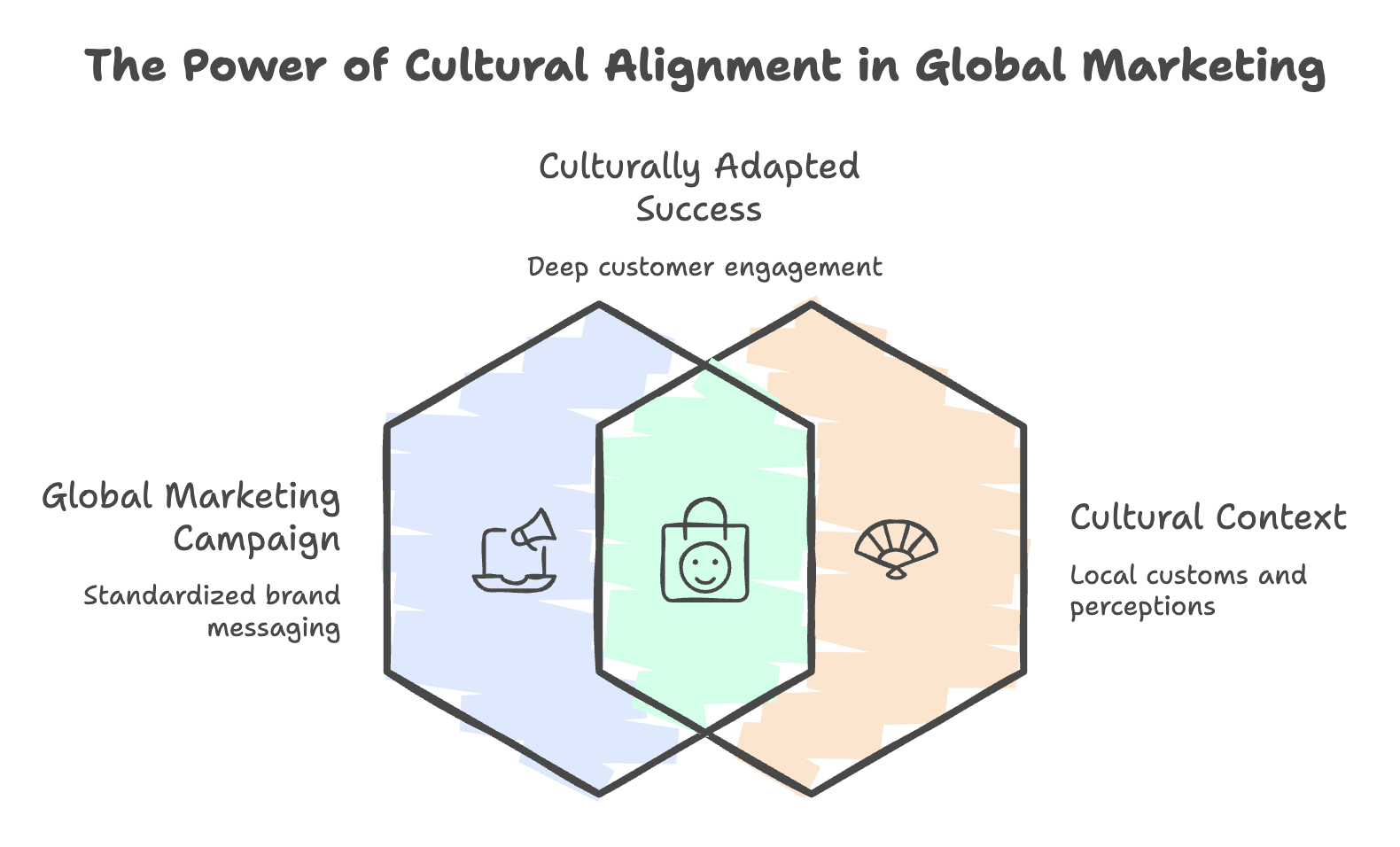
Language is inseparable from culture, and small mistakes can lead to large consequences. Cultural context affects how consumers perceive humor, formality, visual elements, and brand messaging. A global marketing campaign that works in the U.S. may fail completely in Japan or Germany due to differences in etiquette and social expectations.
For example, color symbolism varies across markets: red can signify luck in China but danger in some Western countries. Similarly, a playful slogan that is well-received in English might be misunderstood or offensive in another language.
Culturally adapted campaigns significantly boost customer engagement, showing that cultural alignment is essential for global brand success.
4. Not Localizing SEO and Digital Presence
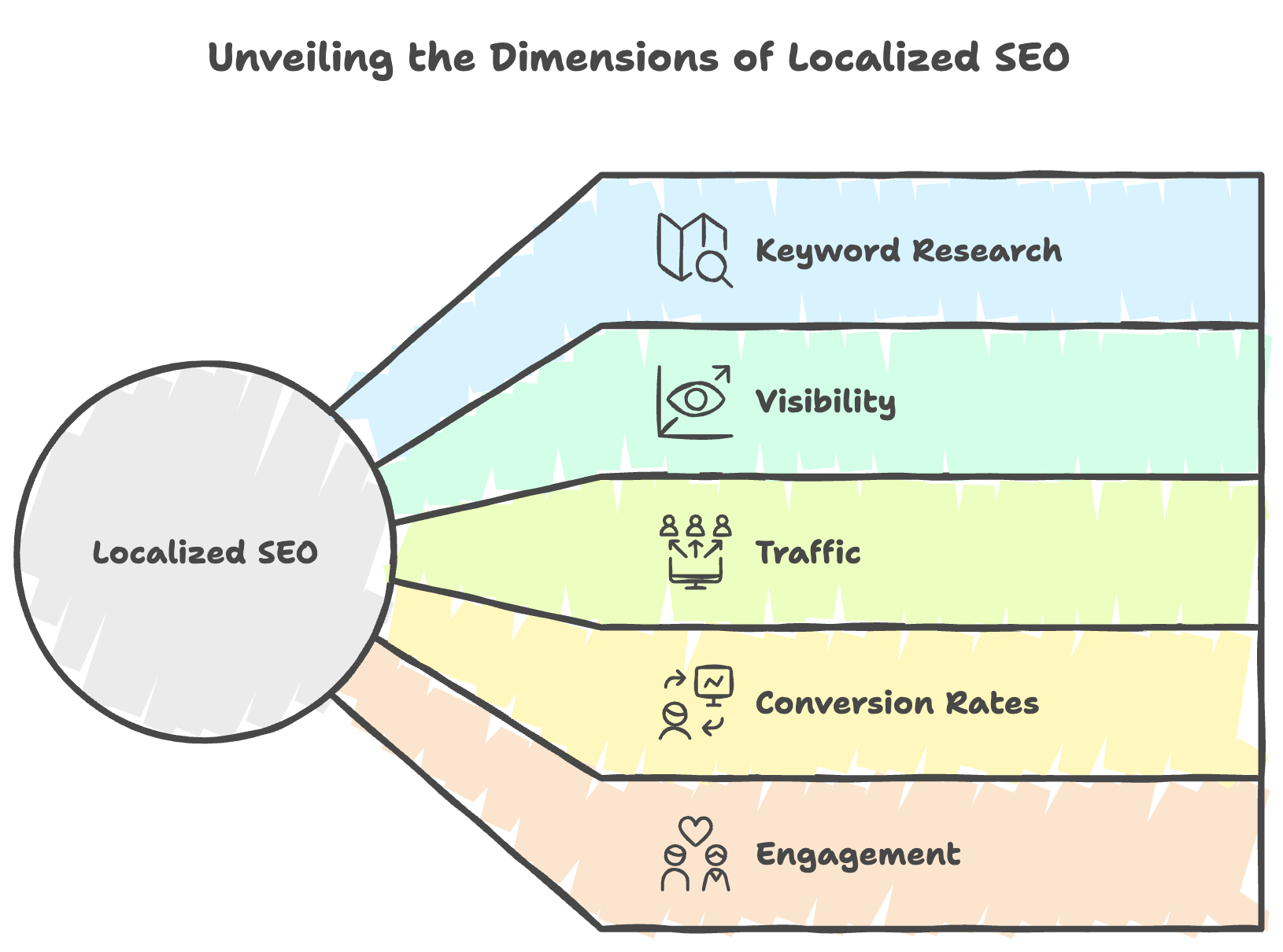
Many companies focus on translating website content but overlook the importance of localized search engine optimization (SEO). Direct translation of keywords rarely works because search behavior, terminology, and intent differ by region. Without market-specific keyword research, companies risk low visibility and missed traffic opportunities.
For example, the term “mobile phone” may be searched as “cellphone” in the U.S., “mobile” in the U.K., and “smartphone” in other regions. A website that doesn’t account for these differences may fail to reach its target audience effectively.
Research shows that companies investing in localized SEO and marketing campaigns often see measurable improvements in organic traffic, conversion rates, and overall engagement. Tailoring content, keywords, and messaging to local markets can significantly outperform one-size‑fits‑all approaches, highlighting the strategic importance of SEO in international expansion. Findings attributed to HubSpot’s 2024 Global Marketing Trends Report support this, showing that localized marketing initiatives lead to higher conversion and customer engagement rates.
5. Treating Localization as a One-Time Task
Localization is not a one-off project. Markets, languages, and customer expectations evolve constantly. Companies that treat localization as a temporary effort risk producing content that quickly becomes outdated, irrelevant, or misleading.
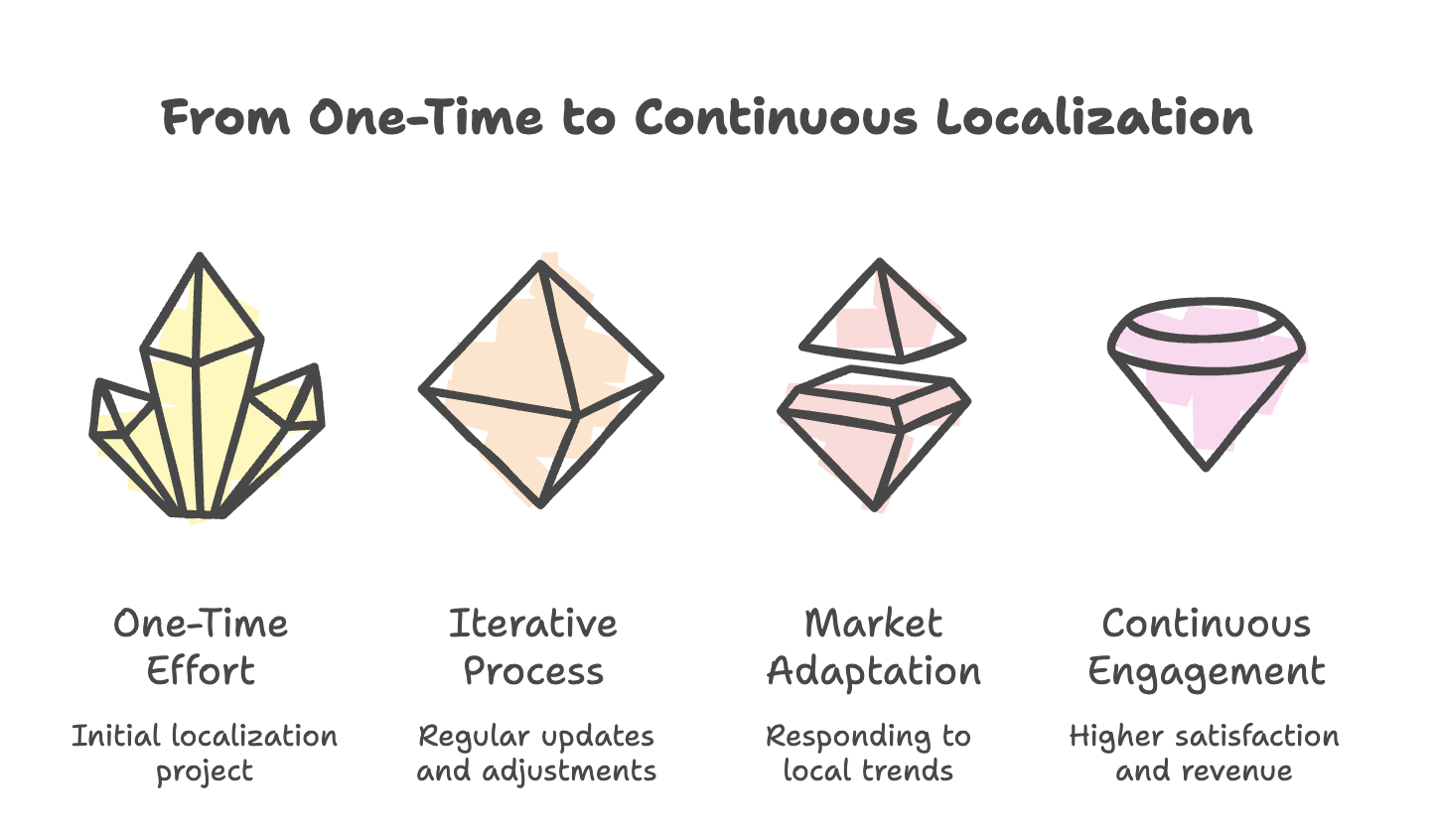
Continuous localization leads to higher engagement, retention, and revenue growth. Global brands that implement iterative localization processes are able to adjust campaigns, update product messaging, and respond to local trends more effectively.
For example, according to a Medium article on SaaS multilingual content strategies, companies that regularly update their help centers and marketing content in local languages often see higher customer satisfaction and a reduction in support tickets, as users can access information in their preferred language.
Final Thoughts
Expanding internationally is more than a business strategy – it’s a communication strategy. Effective language adaptation and localization ensure that your product, brand, and message resonate with the local audience, building trust, loyalty, and growth.
By avoiding these five mistakes, companies can transform language from a barrier into a bridge, turning new markets into opportunities rather than obstacles.
At Accent Network, we treat localization as a strategic element of global growth, helping brands scale efficiently while maintaining cultural and linguistic relevance.

Podcast Generation Contextual Translations Video Dubbing
Delivering outstanding outcomes.